Why Is My Writing Flagged as AI? (And How to Fix It)
 Sana Bano
·August 12, 2026
·8 min read
Sana Bano
·August 12, 2026
·8 min read
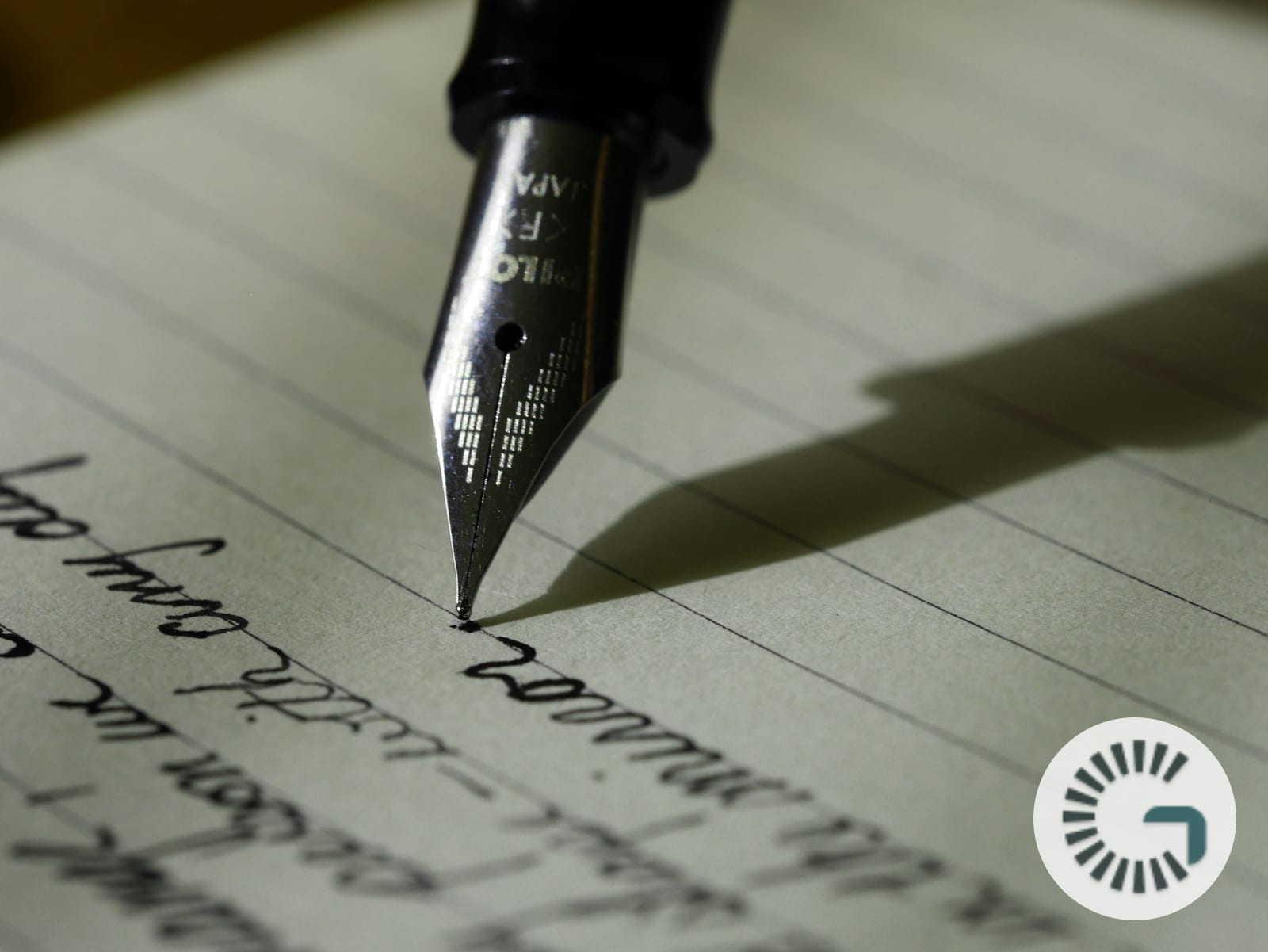
Why is your writing flagged as AI when you wrote it yourself? Detectors misread clean, plain prose. Here is why it happens and how to fix it, free with GPTOne.
If your own writing gets flagged as AI, it usually means the detector saw patterns it associates with machine text, not that you cheated. Clean grammar, even sentence rhythm, and plain, predictable phrasing all look "AI-like" to a weak detector, which is why real human writing gets flagged every day. The fix is to understand what triggers it, use a fair detector, and keep proof of your process. You can self-check free on GPTOne, a free account. Here is what is happening and how to fix it.
Key Takeaways
- A false flag usually means your writing is clean and predictable, not that you used AI.
- Non-native English speakers are flagged far more often: one study found 61% versus about 5% for native writers.
- Detectors measure patterns, not truth, so a score is a signal, never proof of cheating.
- Keep draft and version history. It is the strongest evidence that you wrote something yourself.
- Use a low false-positive detector like GPTOne and treat any single result as one data point.
What "flagged as AI" actually means
A detector does not know who wrote your text. It measures statistical patterns: how predictable your word choices are, how even your sentence rhythm is, and how closely your writing matches the smooth, average style that large language models tend to produce.
When your writing scores high, it means it resembles those patterns, nothing more. It is a probability read, not a verdict on your honesty. That distinction matters, because a lot of people panic at a high score when the real story is simply that they write in a clean, straightforward way.
Why honest human writing gets flagged
Here is the frustrating part. The clearer and more careful your writing, the more it can resemble AI to a detector. A few specific triggers show up again and again:
- Plain, correct grammar with few quirks or errors.
- Even, uniform sentence length and structure.
- Common, expected word choices rather than unusual ones.
- Formal, neutral tone, the kind schools and workplaces ask for.
- Heavy editing or proofreading that smooths out your natural voice.
None of that is cheating. It is just writing that happens to sit close to the statistical middle, which is where models live too. Ironically, polishing your work more can make it look more AI-like, not less.
The non-native English problem
If English is your second language, you are far more likely to be flagged, and that is a documented unfairness, not your fault. According to a 2023 Stanford study published in Patterns00130-7), GPT detectors flagged 61% of essays by non-native English speakers as AI, against roughly 5% for native speakers.
The reason is that careful non-native writing often uses common words and even structures, exactly the patterns detectors misread. This is a real risk for students and professionals, and it is why a single detector score should never decide anything about a multilingual writer. We explain the mechanism in why AI detectors falsely flag non-native writers.
How to fix a false flag
You cannot always control the detector, but you can protect yourself and improve your odds:
- Self-check first. Run your draft through GPTOne's free AI detector before you submit, so nothing surprises you.
- Keep your process. Draft in Google Docs or Word, which store version history that shows your writing evolved naturally.
- Add your voice back. If a passage reads flat, rework it in your own words with specific detail, examples, and the occasional natural quirk.
- Do not over-polish into blandness. Some personality in your writing actually lowers the AI resemblance.
- Keep notes and sources. Outlines and references are strong proof of authorship.
The goal is not to trick a detector. It is to make sure your genuine work reads as genuinely yours and that you can prove it if questioned.
Choose a detector that will not punish you
Not all detectors are equal on fairness. The one that matters is the false-positive rate, how often it wrongly flags real writing. A tool that brags about catching AI but flags honest work is not safe to rely on for grades or jobs.
We built GPTOne to keep false positives low, especially on the careful and non-native writing that weaker tools misread, while still detecting ChatGPT, Claude, Gemini, GPT-5, Grok, DeepSeek, and LLaMA at 99.99% accuracy. It is free to try, and it highlights the specific passages that read as AI so you can see and fix them, rather than handing you a scary number with no explanation. For the data behind that, see which detector has the lowest false-positive rate.
Why this keeps happening at all
It helps to know that even the companies building AI agree detection is imperfect. OpenAI quietly shut down its own AI text classifier in 2023, citing a low rate of accuracy. If the maker of ChatGPT could not reliably detect ChatGPT with a dedicated tool, that tells you how hard the problem is and why treating any detector as infallible is a mistake.
Academic integrity bodies have made the same point about fairness. The International Center for Academic Integrity frames integrity as something built through trust, clear expectations, and honest process, not through blind faith in a surveillance score. That is the right lens: a detector is a prompt for a conversation and a closer look, never an automatic judgment.
So when your writing gets flagged, you are running into a known, documented limitation of the technology, not a hidden truth about your work. The people who handle these tools well know they are probabilistic and treat a flag accordingly. The people who handle them badly treat a percentage as a confession, and that is where real harm happens. Knowing the difference lets you push back with facts rather than panic.
What to do if you are accused
If a teacher or employer confronts you over an AI flag, stay calm and lead with evidence. Show your draft and version history, walk through your argument to prove you understand your own work, and explain your writing process. If English is your second language, cite the research on false flags directly.
Point out, politely, that detectors are probabilistic tools, not proof, and that a responsible reviewer should weigh process evidence over a single score. Most fair-minded people back down when faced with a clear version history and a confident explanation. If your writing simply reads stiff and you want to loosen it into a more natural voice going forward, a humanizer can help with your own words, which is different from disguising machine text.
The mindset that protects you is preparation, not fear. Write in a tool that saves history, self-check before you submit, and keep your outlines and sources. Do that consistently and a false flag stops being a crisis, because you can answer it in minutes with evidence. The writers who get hurt by detectors are almost always the ones caught without a paper trail, so build the trail as a habit and the problem mostly takes care of itself. A few seconds of good habits now saves you a painful, unwinnable argument later.
FAQ
Why is my essay flagged as AI when I wrote it myself?
Because detectors measure patterns, not authorship. Clean grammar, even sentences, and common word choices resemble AI writing, so careful human work gets flagged. It is a probability signal, not proof you cheated.
Does a high AI score mean I will get in trouble?
Not on its own. A score is one data point. Keep your draft history and be ready to explain your process, since a responsible reviewer should never decide on a detector result alone.
Why are non-native English writers flagged more?
Careful non-native writing often uses common words and even structures, exactly what detectors misread. Research found non-native essays flagged at 61% versus about 5% for native writers.
How do I stop my writing from being flagged?
Self-check before submitting, keep version history, add specific detail and your natural voice, and avoid over-polishing into blandness. Use a low false-positive detector like GPTOne.
Is GPTOne free to check my own writing?
Yes. GPTOne is free once you sign up, with up to 50,000 characters a scan. Paste your text, see which passages read as AI, and revise them in your own voice.
Try GPTOne free at gptone.me.