Is That Profile Picture AI? A Platform-by-Platform Guide
 Sana Bano
·August 12, 2026
·7 min read
Sana Bano
·August 12, 2026
·7 min read
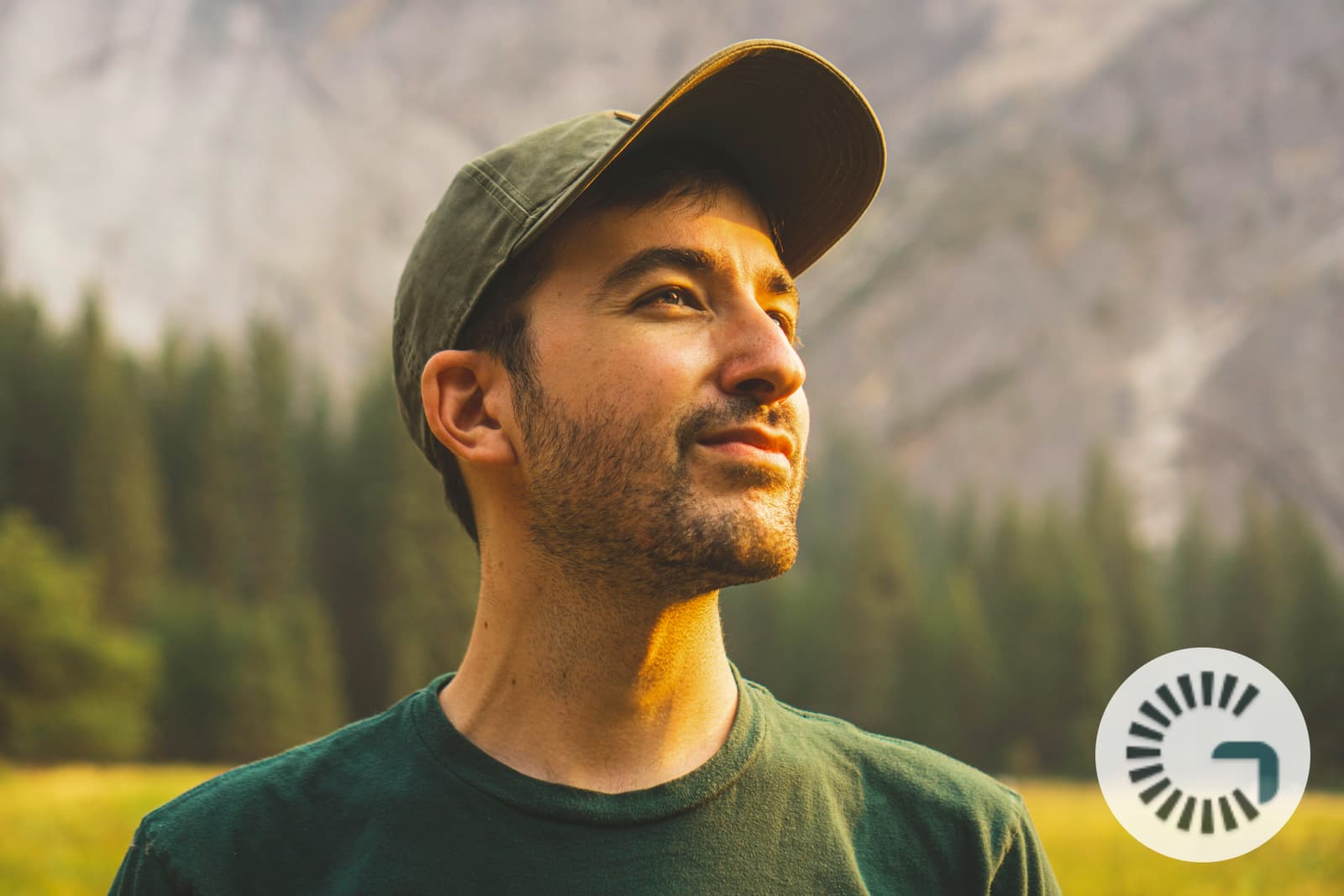
Checking an AI generated profile picture takes a scan plus an account check, and it works differently on LinkedIn, dating apps, Instagram, X and Marketplace.
To check if a profile picture is AI-generated, scan it with a detector, then check the account around it. The photo check takes seconds with GPTOne's free image detector, which returns a confidence score and a heatmap. The account check is what usually gives it away, and it works differently on every platform.
That second part is the bit most guides miss. An AI headshot on LinkedIn and an AI selfie on a dating app are put there by different people for different reasons, and each platform leaves you a different set of signals.
Key Takeaways
- Every major platform strips or rewrites image metadata on upload, so the file you can download has already lost its origin data.
- Reverse image search fails on AI profile photos, because a freshly generated face has no earlier copy anywhere to find.
- 1 photo plus a thin account history is a stronger signal than any detector score on its own.
- The tells that survive across platforms are the ears, the eye alignment and the background, not the hands.
- Platform matters: a scam recruiter, a catfish and a marketplace seller each leave different account-level evidence.
First, what the platform already did to the file
Before you check anything, know what you're working with. Facebook and Instagram rewrite image metadata on upload. X strips EXIF. Every platform re-compresses.
So the file you save from a profile has no camera data, no generator data and one or more generations of compression. That means metadata is not available as evidence here, and it also means the pixel signal is degraded, which we cover in why metadata and watermarks can't be relied on.
It also means a right-click and a reverse image search will usually come back empty, and an empty result is the thing that fools people most. It reads as "not stolen from anywhere", when for a generated face it just means the face never existed before. Our post on reverse image search versus AI detection covers why.
Platform by platform
LinkedIn. The professional headshot is the most commonly generated profile photo type, because AI renders a neutral studio portrait very well. The account signals are strong here: check company tenure against the company's real employee list, look for a career history with no mutual connections, and treat a recruiter with a two-week-old account as the finding rather than the photo. Full detail in checking whether a LinkedIn photo is AI-generated.
Dating apps. Different economics. Here the photo set matters more than any single image, since a real person has inconsistent photos across years, lighting and cameras, while a generated set tends to be uniform. Our fake dating profile photo guide covers the whole-profile check and the escalation patterns worth recognising.
Instagram. Look at the grid, not the avatar. The avatar is tiny and heavily compressed, so scan a full-size post image instead. A real account has a messy posting history, tagged photos from other people and comments from accounts that also look real. Generated accounts tend to have a burst of posts from one week.
X. Avatars are small and re-compressed hard, so the pixel check is weakest here. Account age, posting pattern and who replies to them carry the weight. A generated avatar plus a 2026 join date plus engagement only on political posts is a pattern, not a coincidence.
Facebook Marketplace and buy-and-sell groups. Here the seller photo matters less than the product photos, which is a different check entirely, covered in spotting AI images on marketplaces. A generated seller avatar on a listing with generated product shots is a strong combination.
Reddit and Discord. Avatars are usually too small and too compressed to judge. Go by account age, comment history and whether the writing style holds together. On these platforms the text is better evidence than the picture, and our free AI text detector handles that side at 99.99% accuracy across every major model.
The tells that still travel
Generators fixed hands, and most guides have not caught up. What still fails on faces:
Ears. Asymmetric, mismatched, or blending into hair. The most reliable single tell left, and rarely retouched.
Eye alignment and catchlights. Reflections in the two eyes should match the light source. Generated eyes often carry inconsistent or absent catchlights.
Accessories against skin. Glasses arms that vanish into hair, earrings that don't have a matching hole, a necklace that changes width behind the neck.
Background geometry. Straight lines that bend, patterns that don't continue, a doorframe with two different widths.
Hair boundaries. Where hair meets background, generated images produce a slightly painted transition.
The full list, with what to check first, is in our 12 signs guide.
Check the account, not just the photo
If you only take one thing from this: the account is easier to read than the picture.
A single profile photo with no other photos anywhere. An account created recently that presents a long history. No mutual connections, or connections that all look equally new. A bio that reads as generated. Activity concentrated in one short burst. A name that returns nothing outside this one platform.
Any two of those together outweigh a middling detector score. The photo is one input into a judgement about an account.
What to do when it looks fake
Don't accuse in public, and don't lead with the detector score. Report through the platform's own flow, since every major platform has a fake-account report path and they act on account signals rather than on your screenshot.
If money, recruitment or a relationship is involved, ask for something a generated identity can't produce: a live video call, a photo taken now holding something specific, or verification through a channel they didn't choose. That test settles it faster than any image analysis.
And keep your own limits in view. A high score on a compressed avatar is weak evidence, for the reasons in our false-positive breakdown.
The photo set gives it away faster than one photo
If the profile has more than one image, compare them instead of analysing any single one.
A real person's photos are inconsistent in ways that are hard to fake. Different cameras across different years. Lighting that ranges from bad kitchen bulbs to one decent outdoor shot. Weight, hair and glasses that change. Other people in frame, at different ages.
A generated set tends to be uniform: the same lighting quality, the same distance from camera, the same flawless skin, nobody else in any shot. Uniform quality across an entire profile is itself the anomaly.
One more layer worth knowing about. Some platforms, LinkedIn among them, now surface C2PA Content Credentials on images that carry them, which turns provenance into something you can read without downloading anything. It only helps when the credential survived the upload, so treat it as a bonus rather than a step.
And keep the stakes in view. According to the FTC's guidance on romance scams, the photo is only ever the opening move. The pattern that follows, moving you off-platform and then asking for money, is the actual signal.
FAQ
How do I check if a profile picture is AI-generated?
Save the largest version available, scan it for a confidence score and heatmap, then check the account: age, history, mutual connections and whether the person exists anywhere else. GPTOne's image detector is free to try on signup credits, one scan a day at no cost, and includes the region heatmap most tools put behind a paywall.
Why does reverse image search find nothing on a fake profile?
Because a generated face has never been published before, so there is no earlier copy to match. An empty result is expected for AI images and does not mean the photo is genuine.
Can you detect AI in a small avatar image?
Less reliably. Avatars are heavily compressed and downscaled, which strips much of the signal a detector reads. Scan a full-size post photo instead where one exists, and lean harder on account-level signals.
What is the most reliable tell of an AI-generated face?
Ears, then eye catchlights. Both are rarely retouched and still render inconsistently. Hands are no longer a dependable tell on current models.
Should I confront someone whose photo looks AI-generated?
Ask for a live video call or a photo taken on request instead. That resolves it without an accusation you might have to walk back, and a real person will usually oblige.
The short version
Scan the photo, but judge the account. Ears and eye reflections still give faces away, an empty reverse image search proves nothing, and a thin account history is the strongest signal you'll get on any platform.
Check a profile photo free at GPTOne, then look at the account around it. Start at gptone.me.