Fake Dating Profile Photo Detector: Is That Photo AI?
 Sana Bano
·August 9, 2026
·7 min read
Sana Bano
·August 9, 2026
·7 min read
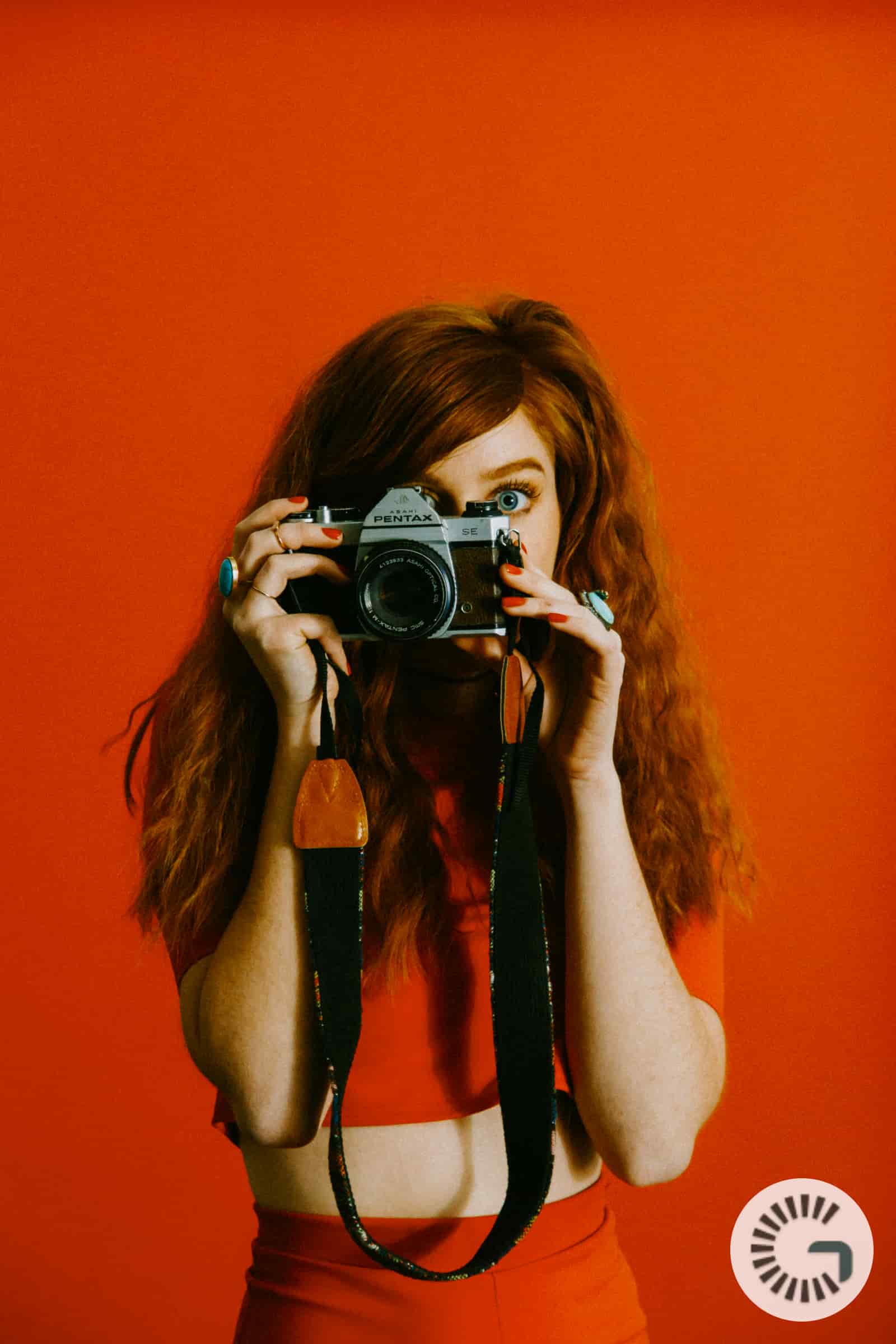
Is that dating profile photo AI-generated? GPTOne returns a confidence score and a region heatmap in seconds, so you can see which parts look synthetic.
To check whether a dating profile photo is AI-generated, upload it to GPTOne's free GPTOne's AI image detector. You get a confidence score and a heatmap of the AI regions in seconds, with a free account. Romance scammers now use AI to build attractive, believable faces that pass a quick glance, so a reverse image search alone is no longer enough. Here is how to spot a fake profile photo and stay safe.
Key Takeaways
- GPTOne's free image detector flags AI-generated faces and shows the suspect regions with a heatmap, just a free account.
- AI faces defeat reverse image search, because the photo exists nowhere else. Detection catches what search cannot.
- The strongest tells are mismatched earrings, warped backgrounds, too-perfect skin, and odd hair edges.
- Scammers pair AI photos with AI-written messages, so scan suspicious chat text too.
- The check is free. Upload a JPG, PNG, or WebP up to 2MB and read the score plus heatmap.
Why AI faces are a dating-app problem
Old-school catfish stole photos from real people, which meant a reverse image search could expose them. AI broke that defense. A generated face belongs to no one, so it does not appear anywhere else online, and a reverse search comes back empty. That empty result can even feel reassuring, which is exactly why it is dangerous.
Scammers use these faces to run romance scams at scale: attractive, friendly, and completely fake. The photo passes a glance, the conversation moves fast, and money is the eventual ask. Spotting the fake photo early is the cheapest protection you have.
How to check a profile photo in under a minute
- Save the profile image at the best resolution you can get.
- Open GPTOne's free AI image detector.
- Upload the file, up to 2MB.
- Read the confidence score, then turn on the heatmap.
- If the face or its edges light up, treat the profile with real caution.
Do a reverse image search too. If the detector flags the image and the search finds nothing, that combination points strongly at an AI-generated face rather than a stolen one.
The visual tells of an AI face
AI faces have improved fast, but they still leak clues, especially around the edges of the face:
- Earrings that do not match, or one earring that is missing or malformed.
- Backgrounds that blur, melt, or bend in ways a real photo would not.
- Skin that is unnaturally smooth and even, with no pores or real texture.
- Hair that dissolves into the background instead of ending in strands.
- Teeth, glasses, or collars that look slightly off or asymmetric.
One tell alone is weak, because real photos have quirks too. Two or three together, plus a high detector score, is a strong signal. For the full checklist across image types, see how to tell if an image is AI-generated.
Why the heatmap helps with faces
A single yes-or-no verdict is limited, because some scammers take a real photo and AI-edit only part of it, or place a real face on a generated body or background. You want to know what was touched.
GPTOne shows the region. The heatmap points to the part of the image carrying generation artifacts, so you can tell a fully generated face from a real photo with an edited background. That is the same region-level approach in the AI-modified image detector guide. On text, GPTOne is a 99.99% accurate detector, but images are a different problem, so for photos we give you a confidence score plus the heatmap and let you judge the evidence rather than trust one number.
How we know the detector holds up
We did not just take the tool at its word. We built a structured benchmark of 60 images across five categories, mixing AI-generated pictures with real photos, and wrote up the full method in our 60-image AI image detector benchmark. The lesson that matters for you: a detector is only as good as its false-positive rate, since flagging a real photo as fake is the costly mistake. GPTOne was built to keep that rate low while still catching generated images across different models.
The same skill applies to professional profiles, where AI headshots are common. Our guide on is this LinkedIn photo AI-generated covers that case.
Beyond the photo: the whole-profile check
A fake photo rarely travels alone. Watch for these alongside it:
- A profile that is brand new with very few photos, or many photos in one identical style.
- Someone who refuses a live video call or a specific pose photo on request.
- Messages that read smooth, generic, and oddly fast, a sign of AI-written replies.
- An early push to move off the app, and eventually, any request for money.
If the messages feel scripted, paste them into the free AI text detector. Scammers often automate the chat with AI, so an AI-written message alongside an AI face is a serious red flag.
What to do if a profile fails the check
A high AI score is a reason to protect yourself, not to accuse someone publicly. Ask for a live video call or a photo in a specific pose holding a written note. See how to detect Sora 2 video frames for the full picture. A real person can do this in a minute; a scammer will dodge. Never send money, gift cards, or crypto to someone you have not met in person. If the signals stack up, block and report the profile. For the wider pattern, the FTC's guidance on romance scams is a solid, trustworthy read.
Provenance: a second layer when you can get it
Some photos carry signed metadata that records how they were made. The Content Credentials standard lets you check whether an image came from a camera or an AI tool, when the data survives. The problem on dating apps is that uploads almost always strip this metadata, so you rarely get it from a profile photo directly. If a match sends you an original file, though, intact credentials can confirm a real camera capture. Treat provenance as a bonus when it exists, and rely on detection and the visual tells the rest of the time.
Why the empty search result fools people
It is worth sitting with this, because it is the core of the modern scam. For years the advice was simple: reverse image search the photo, and if it shows up on someone else's social media, it is stolen. That advice still helps against old-fashioned catfish, but it fails completely against AI.
A generated face has never been photographed, posted, or indexed. It exists only in the file the scammer sent you. So the reverse search returns nothing, and a lot of people read "no results" as "this person is real and unique." It is the opposite. A clean reverse search combined with a high AI-detection score is one of the clearest signals of a generated face you will find. That is exactly why running the detector matters now in a way it did not three years ago.
Protecting yourself without being paranoid
You do not need to interrogate every match. Save the scan for the moments that matter: when someone moves fast emotionally, avoids video, or steers toward money. In those cases, a 30-second scan on the free AI image detector plus a request for a live video call will settle most doubts. A real person can hop on a quick call. A generated face cannot, and a scammer running one will always have an excuse.
The same calm approach applies to the words. If the messages feel scripted, the free AI text detector reads whether they carry the patterns of automated, AI-written chat. Protect yourself with evidence, not anxiety, and you keep dating apps usable without getting played.
FAQ
How can I tell if a dating profile photo is AI-generated?
Upload it to GPTOne's free AI image detector for a confidence score and a heatmap, then look for tells like mismatched earrings, melting backgrounds, and too-smooth skin. Run a reverse image search as well.
Why does reverse image search fail on AI faces?
An AI-generated face exists nowhere else, so a reverse search finds no matches. That empty result is not proof the person is real. A detector catches what search cannot.
Is the fake photo detector free?
Yes. GPTOne's image detector is free to try on signup credits. Upload a JPG, PNG, or WebP up to 2MB.
What should I do if a photo looks AI-generated?
Ask for a live video call or a specific pose photo, never send money, and block and report the profile if it dodges. Scan any suspicious messages with a free AI text detector too.
Do scammers use AI for messages as well as photos?
Often, yes. Automated, AI-written replies are common in romance scams, so an AI face paired with AI-sounding messages is a strong warning sign.
Try the free AI image detector at gptone.me.