Deepfake technology explained: How it works, how to spot it, and how to stay safe
 Sana Bano
·September 23, 2026
·16 min read
Sana Bano
·September 23, 2026
·16 min read

Learn what a deepfake is, how to spot suspicious media, and practical ways to verify claims and stay safe.
Key Takeaways
A deepfake can make a person appear to say or do something that never happened. You can reduce the chance of being misled by checking the media itself, its source, and the context around it.
- Deepfakes use AI to generate or alter a person’s image, video, or voice.
- Realistic appearance alone does not establish that a clip is authentic.
- Check the source and context, and compare important claims with reliable reporting.
- Detection tools offer signals, not definitive proof.
- Verify unusual requests through a separate, trusted channel before acting.
What a deepfake is and how it differs from other synthetic media
A deepfake is media generated or altered with AI to make a person appear to look, sound, or act differently from reality. It may be a short audio clip, a still image, or a video that combines a real scene with a changed face or voice. The term is often used loosely, so it helps to distinguish this kind of manipulation from other edits and fully synthetic content. The key question is not simply whether AI was involved, but what the media claims to show.
The role of AI in creating realistic images, video, and audio
AI systems can learn patterns from examples and use them to generate or modify visual and audio material. For a deepfake, that can mean changing a face in existing footage, creating a voice that resembles a real person, or producing media that presents a person in a fabricated situation. The resulting file may look or sound plausible, but plausibility is not evidence that the recorded event took place. For a broader overview of the term and its technology, see this deepfake technology overview.
Deepfakes versus ordinary edits and AI-generated content
A conventional edit can mislead without AI: a person might trim a clip, rearrange its order, or place an authentic image beside a false caption. A deepfake specifically uses AI to generate or alter a person’s likeness or voice. Meanwhile, fully AI-generated content can depict people or scenes that never existed, rather than modifying a recording of a real person. These categories can overlap, but the distinction helps you choose what to check.
| Media type | What may have changed | Useful question |
|---|---|---|
| Ordinary edit | Timing, order, or surrounding context | Has the clip been cut or presented selectively? |
| Deepfake | A person’s likeness, voice, or actions | Does the media make someone appear to say or do something? |
| Fully generated media | The depicted scene or person | Is there an original real-world recording to verify? |
The table is a starting point, not a verdict: a single item can involve several kinds of manipulation. If you are checking an image, ask both whether its contents look authentic and whether its caption accurately describes what is shown.
Face swaps, voice clones, and other common forms
Face swaps replace or alter a face in a photo or video, while voice cloning imitates some qualities of a person’s speech. Other synthetic media may modify facial expressions or create a scene in which a person appears to be present. In each case, the central risk is a mismatch between what viewers infer and what actually happened. A familiar face or voice can make an unverified message feel more trustworthy than it deserves.
Why deepfakes can be difficult to recognize
Some manipulations are obvious, but others are harder to assess, especially when you encounter them as a short clip on a small screen. Poor lighting, unusual camera angles, fast movement, and muffled audio can make tiny flaws difficult to see, while convincing details can distract you from missing context. A careful deepfake detection guide can help you think through possible clues, but no single visual tell settles the question. Context matters as much as appearance when you decide what a clip means.
How deepfakes are made
The process varies with the type of media and the tools involved. At a high level, a system learns patterns from examples and then generates or alters content to produce a desired likeness or effect. You do not need to know the technical details to understand why source material and presentation affect what viewers see. A finished clip is the result of both synthesis and later editing.
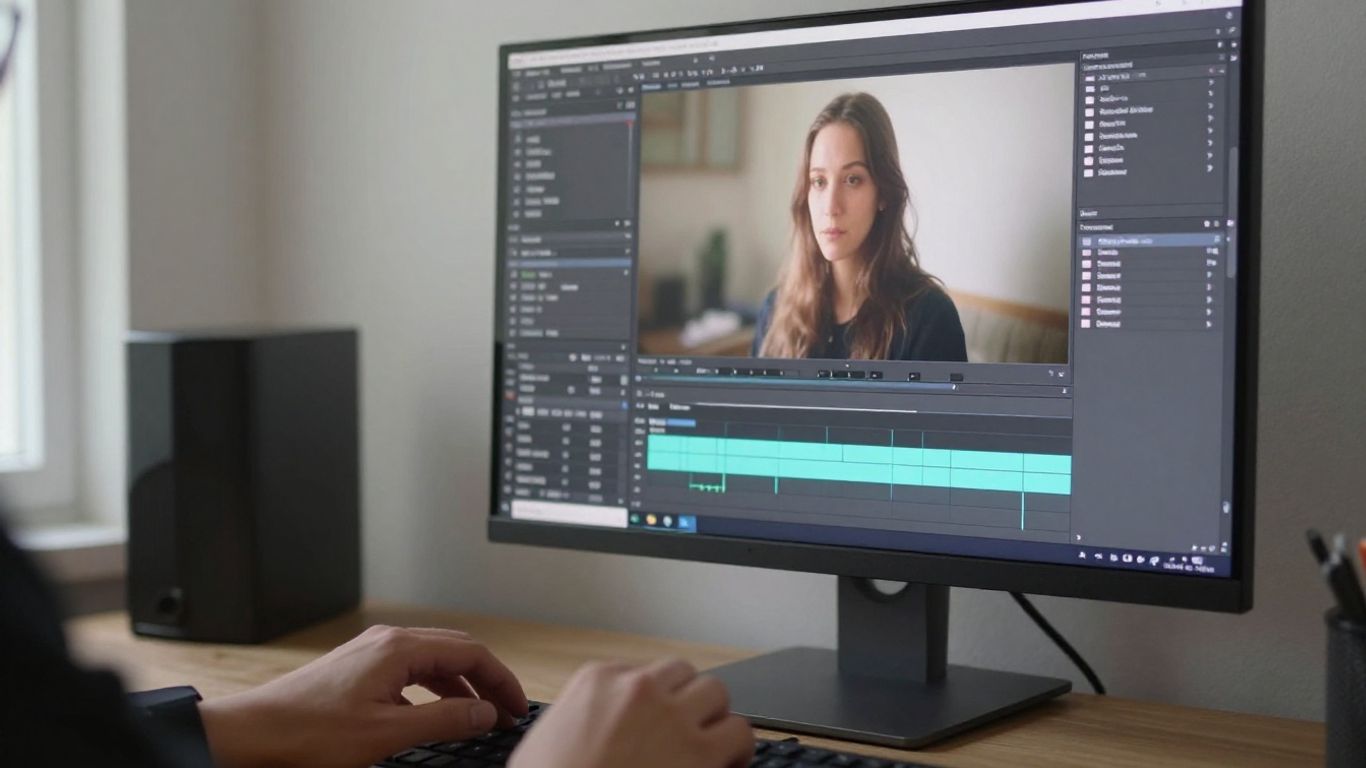
Training models on images, video, or voice recordings
A model can learn from images, video, or voice recordings that provide examples of a person’s appearance or speech. The amount and quality of material available can affect how closely a generated result resembles those examples, though the exact process differs across tools. Training material is not the same as proof of consent: access to someone’s public photos or recordings does not automatically give permission to imitate them. That distinction matters before anyone creates or shares a likeness.
Generating or altering a person’s likeness
Once a system has learned patterns from examples, it can be used to generate new media or modify existing material. In a face swap, the altered face must appear to belong in the surrounding footage; in a voice imitation, the audio must fit the speech and recording conditions. Even a convincing result can misrepresent what a real person did or said. For viewers, it is useful to separate the question of how the file was made from the question of whether its claim is true.
Factors that affect realism, such as source quality and context
A clear, well-lit source may preserve details that a low-quality recording obscures, while pose, motion, and background can all affect how an alteration appears. The viewer’s expectations matter too: a clip that arrives with a persuasive caption or an urgent claim may be accepted before it is checked. When evaluating an example, consider several influences rather than treating one visual clue as decisive. That wider view makes it easier to avoid both quick dismissal and quick belief.
How editing and compression can change the final result
A file may be cropped, resized, re-recorded, or compressed before it reaches you. Those changes can soften or remove fine details, and they may also introduce visual or audio artifacts that resemble signs of manipulation. This is one reason an assessment of a forwarded copy may differ from an assessment of the original. If possible, find the earliest available version and keep track of how the copy reached you.
Where deepfakes are used
Deepfake techniques can serve creative purposes, but the same ability to alter a likeness can also be used to deceive or harass. A realistic result is not automatically harmful, just as a stated creative purpose does not automatically make every use responsible. Consent, transparency, and the audience’s likely interpretation all matter. Looking at the setting and the creator’s intent helps you understand how a piece of media should be treated.
Film, entertainment, and visual effects
Film and other entertainment can use likeness alterations as part of visual effects or fictional storytelling. In that setting, the audience may understand that a scene is constructed, though disclosure can still matter when real people are depicted or their identities are used. Context helps separate an artistic effect from a claim about a real event. If a clip is detached from its original setting, its meaning can change considerably.
Education, accessibility, and creative projects
Synthetic media can also appear in learning materials, accessibility projects, and personal creative work. A clear explanation of what has been generated or altered can help viewers understand the material without confusing a demonstration with a documentary record. If someone’s recognizable face or voice is involved, permission remains a central consideration. A useful project can still raise questions about who controls the likeness and how the result may be shared.
Political messaging, scams, and nonconsensual content
A fabricated recording can be used to make a public figure seem to endorse a claim, or to make a private person appear to say something damaging. Scammers may exploit familiar voices or faces to create pressure and prompt quick decisions. Nonconsensual sexual imagery is a particularly serious form of abuse, regardless of whether the image is real or manipulated. In each case, the audience should be wary of material that is shared without a reliable source or clear context.
How consent and disclosure influence responsible use
Consent and disclosure can help distinguish responsible creative work from an unwanted or misleading use of someone’s identity. Before making or sharing media that resembles a real person, consider whether they agreed to that use and whether viewers could mistake the result for a genuine recording. A useful practical check is to ask yourself:
- Has the person given permission for this specific use of their likeness?
- Could viewers mistake the media for a real recording or event?
- Is the synthetic or altered nature clear where the media will be seen?
- Could sharing it expose someone to harassment, fraud, or other harm?
These questions do not resolve every ethical or legal issue, but they can expose avoidable risks before publication. If the answers are unclear, pause and seek permission or provide clearer disclosure.
How to assess whether media may be a deepfake
No quick inspection can reliably settle every case. You can build a more careful assessment by looking at the file, tracing where it came from, and checking whether credible sources support its claim. A familiar face, realistic voice, or confident caption is not enough on its own. Treat any detector result as one piece of evidence rather than a final judgment.

Look for visual and audio inconsistencies
Watch and listen for details that do not fit together: a voice that seems out of sync with the mouth, changes in sound quality, or facial movement that feels inconsistent with the rest of the scene. Lighting, reflections, and edges around a face may also invite a closer look. But such clues can have ordinary causes, and their absence does not prove a clip is real. For an image, the GPTOne AI Image Detector assesses whether it appears real, AI-generated, or AI-modified and can provide confidence and signal information to support your review.
Check the source, date, and surrounding context
Find out who first posted the media, when it appeared, and whether the accompanying description matches what is actually visible. A genuine clip can still be used to support a false claim if it is old, cropped, or presented as a different event. When a tool could help assess a still image, the GPTOne AI Image Detector is designed to run locally in the browser as part of a privacy-focused workflow. Its result can inform your checks, but it cannot establish the full story behind the image.
Compare the clip with credible independent reporting
When a clip makes an important claim, look for reporting or statements from credible sources that have checked it independently. Avoid treating repeated reposts as independent confirmation; several accounts may all be relying on the same original upload. A simple verification sequence can keep the review grounded:
- Locate the earliest available copy of the clip or image.
- Check whether the original poster provides a date, location, or source.
- Search for independent reporting or a direct statement from a relevant organization.
- Compare those accounts with the specific claim made in the caption.
If reliable sources cannot confirm the claim, that uncertainty is worth preserving rather than filling with a guess. The GPTOne AI Image Detector can add image-analysis signals to this process, but source research and human judgment still matter.
Understand the limits of AI detection tools
Detection systems assess patterns and signals; they do not have direct access to every fact about a recording’s origin. Results may vary with the quality of the file, later editing, or changes in the tools used to create synthetic media. A confidence estimate is not the same as proof, and a weak signal does not mean a clip is genuine. For higher-stakes decisions, combine tool results with source checks and independent evidence.
Risks and consequences of deepfakes
The harm from a deepfake depends on what it depicts, who sees it, and how people act on it. A fabricated clip may circulate widely before anyone can correct it, while a private image can cause serious harm even if it reaches only a small audience. The technology can make deception more persuasive, but existing habits such as rushing, forwarding, and trusting familiar voices also play a role. Recognizing those risks helps you choose a measured response.
Fraud and impersonation using cloned voices
A voice that sounds familiar may be used to create a false sense of urgency, such as a request for money or sensitive information. You may not be able to tell whether a short call is authentic simply by listening. If the request is unusual, stop the conversation and contact the person using a number or channel you already trust. A separate check is more dependable than relying on a voice alone.
Misinformation and damage to public trust
Fabricated media can make false claims appear to come from a real person, and even a debunked clip may leave people unsure what to trust. That doubt can weaken confidence in authentic recordings too. Sharing a suspicious clip before checking its origin may extend its reach, even if you intend to warn others. It is safer to describe uncertainty clearly and avoid presenting an unverified claim as fact.
Privacy violations and nonconsensual imagery
Using someone’s likeness without permission can invade their privacy and put them at risk of unwanted attention or harassment. Nonconsensual sexual images can be especially damaging and should not be forwarded, downloaded, or reposted as a warning. If you encounter such material, focus on supporting the affected person and reporting the content through appropriate channels. Do not assume that a manipulated image is harmless just because it is not authentic.
Reputational, emotional, and legal harm
A false recording can affect a person’s work, relationships, safety, and sense of control over their identity. Correcting the record may take time, particularly after copies have spread across platforms. Legal protections and options differ by location and by the nature of the content, so avoid assuming there is one universal remedy. When the stakes are serious, preserve relevant evidence and seek advice from qualified local support.
How to protect yourself and respond
You cannot prevent every fake from reaching you, but you can make it harder for a convincing clip to push you into a rushed decision. Build simple verification habits before an urgent message arrives, and think about what personal material you share publicly. If you encounter harmful content, prioritize preserving relevant information and limiting further spread. A calm, consistent response is more useful than trying to prove authenticity from appearance alone.
Set verification steps for urgent or unusual requests
Agree on a routine for checking requests that involve money, access, personal information, or a sudden emergency. A familiar voice or face should not override the usual safeguards, especially when someone insists that you keep the request secret or act immediately. Contact the person independently using details you already have, rather than replying through the channel that delivered the request. If you cannot verify it, wait before taking action.
Limit publicly available voice and image material
You may choose to reduce how much personal audio and imagery is publicly available, particularly if you have concerns about impersonation. This cannot guarantee that your likeness will not be misused, since recordings may already exist elsewhere. Be thoughtful about posting clear voice samples or close-up images, and review who can access the material you share. The goal is to make a sensible choice for your own circumstances, not to eliminate every trace of yourself online.
Preserve evidence and report harmful content
If you find media that appears to impersonate or target someone, record where and when you found it before reporting it. Save the page address, account details, and relevant messages; if appropriate and safe, keep a copy without resharing it. Report the post to the platform and consider contacting the person affected through a trusted channel. Keeping a clear record can help a platform or qualified adviser understand what happened.
Review relevant platform policies and local laws
Platforms may offer reporting routes for impersonation, manipulated media, or nonconsensual imagery, but the rules and procedures vary. Local laws also differ, and a platform decision does not determine what legal options someone may have. Read the policy that applies to the content and location, and seek qualified advice when the situation is serious. Acting carefully and documenting events can help you make the next step more informed.
Conclusion
Deepfakes are best understood as a reason to verify, not a reason to distrust every image or recording. Check where media came from, compare its claims with reliable evidence, and use detection results as clues rather than verdicts. When an unusual request or harmful post is involved, slow down, protect the people affected, and choose a response that does not spread the content further.
Frequently Asked Questions
What is a deepfake?
A deepfake is media generated or altered with AI to make a person appear to look, sound, or act in a way that may not reflect reality. It can involve images, video, or audio.
Are all AI-generated images deepfakes?
No. A deepfake commonly alters or imitates a real person’s likeness, while an AI-generated image may depict a scene or person created from scratch. The terms can overlap, but they describe different things.
Can you identify every deepfake by looking closely?
No. Some media may contain visible or audible inconsistencies, but those clues are not conclusive. Good-quality manipulation and poor-quality authentic recordings can both make visual judgment difficult.
Do AI detection tools prove that media is fake?
No. Detection tools provide signals or estimates based on the media they analyze. You should interpret results alongside source information, context, and other evidence.
What should you do if someone sends an urgent voice message asking for money?
Pause and contact the person using a separate number or channel you already trust. Do not rely on the voice or on contact details supplied in the message itself.
Is it always harmful to create a deepfake?
Not necessarily; synthetic media can be used in creative or educational settings. Consent, disclosure, and the risk of misleading or harming someone are important factors in deciding whether a use is responsible.
What should you do if you find nonconsensual synthetic imagery?
Do not share or repost it. Preserve relevant details about where you found it, report it to the platform, and consider contacting the person affected through a trusted channel.