Compare a Student's Draft and Final Submission: What the Changes Tell You
 Sana Bano
·October 9, 2026
·14 min read
Sana Bano
·October 9, 2026
·14 min read

Compare student draft and final submission to spot meaningful changes and give fair, focused feedback.
Key Takeaways
Reading a draft beside a final submission can reveal more than a finished score alone. Focus on observable changes, connect them to the assignment goals, and keep your conclusions fair.
- Compare revisions against the assignment’s goals, not just the final polish.
- Look for changes in the claim, structure, evidence, reasoning, and clarity.
- Record specific examples so feedback is concrete and useful.
- Treat revision patterns as evidence to discuss, not proof of effort or authorship.
- Give students focused next steps and a chance to explain important decisions.
Why compare a student's draft and final submission
When you compare student draft and final submission, you can see how the work changed between the first attempt and the finished piece. A final grade captures a result, but it may not show which ideas a student reconsidered or which skills they strengthened. Looking at both versions gives you a clearer basis for feedback. It also helps keep your judgment tied to the work in front of you.
See learning that a final grade may not show
A final paper can be clear and polished while concealing the thinking that went into it. A draft may show an uncertain claim becoming more precise, or a paragraph that was reorganized after the student noticed a gap in the argument. Those changes help you identify learning that a score alone cannot describe. They are useful evidence to bring into a conversation, not a complete account of what happened.
Distinguish polished work from genuine progress
Correcting punctuation and smoothing sentences can make a submission easier to read, but those edits do not necessarily show growth in the skill you were assessing. A more revealing comparison asks whether the student clarified the purpose, selected more relevant evidence, or connected ideas more carefully. Look beyond the shine of a clean final copy to see whether the underlying thinking moved forward. A student can make meaningful progress even when the final result still needs work.
Use revision evidence to guide instruction
Patterns across several drafts can help you decide what to teach next. If many students add examples but do not explain how the examples support their claims, you may need to model analysis rather than ask for more research. If revisions consistently improve organization, students may be applying earlier lessons successfully. Use individual comparisons to notice needs, then check whether those needs recur before changing a whole class plan.
What to examine in each version
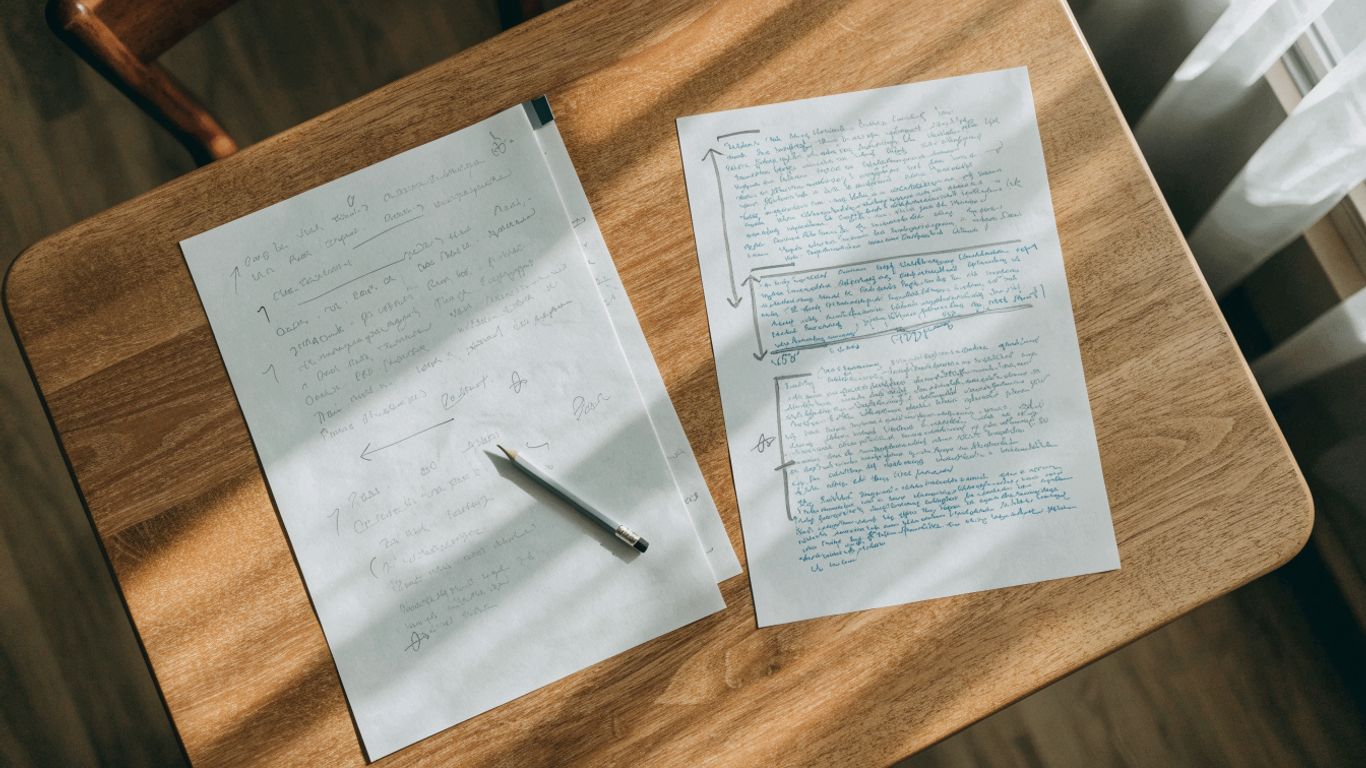
A useful comparison starts with the parts of the assignment that matter most, then moves toward smaller edits. You do not need to count every changed word to understand a revision. Instead, look for decisions that affect meaning, structure, or the reader’s ability to follow the work. That keeps the review focused without overlooking the details that make the final piece easier to understand.
Compare the central claim, purpose, and focus
Read the opening and conclusion in both versions, then check whether the central claim became clearer or changed direction. A revised thesis may narrow the topic, make a debatable point, or better answer the prompt. Sometimes the wording changes while the purpose stays the same; sometimes a seemingly small edit signals a larger shift in the student’s approach. Note what the claim asks the reader to understand, not just how smoothly it is phrased.
Track changes to organization and paragraph development
Notice whether paragraphs were moved, combined, divided, or rewritten. A student may bring a key point forward, add a transition, or remove a section that distracts from the purpose. These choices affect the path a reader takes through the argument. When you need to inspect wording and paragraph movement closely, a word-level comparison can help make changes between two texts easier to see.
Look for stronger evidence, reasoning, and source use
Check whether added evidence is relevant to the claim and whether the student explains its significance. New citations alone do not guarantee stronger reasoning; the connection between a source and the student’s point matters just as much. Look, too, for changes in attribution and whether the final version distinguishes source ideas from the student’s own analysis. A stronger draft makes that relationship easier for a reader to follow.
Notice sentence-level edits and formatting changes
Sentence edits can resolve ambiguity, remove repetition, or make a point more direct. Formatting changes may improve readability, but they are usually less central than revisions to purpose or evidence. It helps to name what a small edit accomplishes rather than dismiss it as cosmetic. Keep the review balanced: clarity matters, even when it does not alter the argument.
How to compare the versions consistently
A repeatable method makes comparisons fairer across students and assignments. Begin with the criteria you shared with the class, then apply the same basic questions to each pair of versions. That does not mean every revision should be judged identically; the assignment and the student’s starting point still matter. It does give you a stable way to describe what changed.
Start with the assignment goals and rubric
Before opening either file, identify the outcomes the assignment was meant to assess. If the rubric emphasizes a defensible claim and evidence-based reasoning, those should receive more attention than a minor formatting preference. A short review sequence can keep your attention on the intended learning:
- Revisit the prompt and identify its central requirements.
- Select the rubric criteria most relevant to revision.
- Decide what observable change would count as progress for each criterion.
- Keep secondary edits separate from the main learning goals.
This quick preparation helps prevent a tidy final copy from overshadowing a weak argument, or a rough-looking draft from obscuring substantial improvement.
Review both files side by side
Read the draft and final submission in the same order, checking the overall purpose before comparing individual passages. You can also read each version once on its own before looking for differences; that helps you understand what each one is trying to do. Avoid relying only on memory, since a reader may remember the final version as more coherent than it was. If the files contain comments or tracked changes, use them as context, not as a substitute for reading the actual text.
Group edits by type and significance
Sorting revisions into a few broad categories makes a long document easier to discuss. The table below distinguishes common edit types and the questions each one can help you ask.
| Revision type | What to look for | Useful question |
|---|---|---|
| Purpose and claim | A clearer, narrower, or revised central point | Does the claim answer the prompt more directly? |
| Organization | Moved, combined, or newly developed sections | Is the line of reasoning easier to follow? |
| Evidence and reasoning | Added support or a clearer explanation of it | Does the evidence meaningfully support the point? |
| Style and mechanics | Changes to sentences, grammar, or formatting | Is the meaning clearer for the reader? |
Use the categories to guide attention, not to create a scorecard of edits. One substantial change may matter more than many small corrections, depending on the assignment.
Record representative changes with specific examples
A short note tied to a passage is more useful than a general judgment such as “much improved.” Record what changed and why it matters to the reader or rubric. You do not need to document every edit; choose examples that represent the most important decisions. Specific evidence also makes it easier to explain your feedback and invite the student’s perspective.
What different patterns of change can tell you
Revision patterns can suggest where a student reconsidered the work, but they do not tell the whole story on their own. A large rewrite may reflect a new understanding, a response to feedback, or a change in plan. A nearly unchanged submission may be strong, or the student may have had little time to revise. Interpret each pattern alongside the prompt, feedback, and conditions under which the student worked.

Major structural revisions may show deeper reconsideration
When a student moves sections or rebuilds the argument, they may have reconsidered how the ideas fit together. Check whether the new structure gives the central point a clearer path, rather than assuming that a major rewrite is automatically an improvement. A change can be ambitious and still introduce a new gap. Describe the effect you can see, then ask the student what prompted the decision.
Added evidence may reveal stronger research or reasoning
New evidence can strengthen an argument when it is relevant and explained. Look at what the student does with the material: Do they connect it to a claim, address its limits, or simply insert a quotation? A two-draft assignment model can make space for students to review feedback and explain their revisions, which helps you understand the reasoning behind changes. The explanation is useful context, while the final text still needs to meet the assignment’s standards.
Surface edits can improve clarity without changing ideas
A revision does not have to transform the argument to matter. Fixing a confusing sentence or removing repeated wording can make a sound idea accessible to a reader. You can recognize that improvement while noting that the claim or evidence remained much the same. Separating clarity gains from conceptual gains gives students more precise feedback about what they have already accomplished and what remains.
Few changes may reflect confidence, time limits, or missed feedback
A small number of edits has several possible explanations. The student may have judged the original version to be effective, may have been short on time, or may not have understood which feedback to prioritize. Do not infer a lack of effort from the amount of visible change. Ask what the student chose to retain and whether any comment was difficult to act on.
How to interpret revision without overreaching
A draft comparison gives you evidence about two pieces of writing, not a complete record of a student’s intentions or work process. This distinction matters most when the comparison affects a grade, a conduct concern, or a conversation about authorship. Keep conclusions proportional to what you can actually observe. If something remains unclear, ask a question before making an assumption.
Separate observable changes from assumptions about effort
You can describe that a claim was narrowed, a paragraph was added, or a source was cited more clearly. You cannot reliably conclude how hard a student worked from those changes alone. If you use the GPTOne AI text detector, remember that it analyzes writing for signals of AI authorship; a detection result is not proof of who wrote a text. When an AI-authorship question arises, check a text sample as one additional signal, not as a verdict about a student.
Account for feedback, drafting conditions, and outside support
A final version may reflect instructor comments, peer review, tutoring, accessibility support, or other help the student was permitted to use. Ask what feedback the student received and what conditions shaped the revision before drawing conclusions about the change. GPTOne AI text detector provides transparent confidence scores and reports across leading AI models, but those signals do not replace context or a direct conversation. The same care applies to any evidence used to discuss authorship or process.
Consider subject, writing level, and assignment expectations
The meaning of a revision depends on the task. In a research assignment, citation and evidence use may be central; in a short reflection, the student’s explanation and focus may matter more. Also consider what is reasonable for the student’s current level and what instruction they have already received. A fair comparison evaluates the work against stated expectations, not against an imagined ideal paper.
Use version history carefully and respect student privacy
Version history can clarify when changes appeared, but it does not explain why they happened or who contributed every idea. Follow your institution’s policies and share draft material only with people who need access. If you use GPTOne AI text detector reports as context, treat them as evidence signals rather than a complete account of a student’s process. Handle sensitive work with the same discretion you would apply to grades and feedback.
How to turn comparison into useful feedback
A comparison is most valuable when it leads to a clear next step. Students need to know which choices helped the work and what they can practice in the next assignment. Feedback should reflect the criteria you taught, not every preference you noticed while reading. Keep it specific and small enough to act on.
Recognize effective revision choices
Point to a change and explain its effect: for example, a narrowed claim may help the reader understand the argument, or a new explanation may connect evidence to the point. This tells a student what to carry into future work. Praise the decision, not just the outcome, so the student can recognize a useful strategy when the topic changes. Honest recognition also makes suggestions for further revision easier to hear.
Identify one or two high-impact next steps
A long list of edits can leave a student unsure where to begin. Choose the next change that would make the biggest difference to the assignment’s purpose, then add a second only if it is genuinely manageable. You might ask the student to explain one piece of evidence more fully, or to make the claim answer the prompt more directly. Save lower-priority sentence edits for later unless they interfere with meaning.
Ask students to explain important changes
A brief reflection can reveal whether a revision was deliberate and what the student learned from it. Ask which feedback they acted on, which suggestion they chose not to use, and what they would revise again with more time. This is not a request for a defense of every edit. It gives you context and helps students practice making informed choices about their own work.
Use recurring patterns to plan future instruction
If the same difficulty appears in several comparisons, treat it as a teaching opportunity rather than a series of isolated student shortcomings. You might model how to explain evidence, offer practice with paragraph sequencing, or clarify how the rubric defines a focused claim. Revisit the skill in a later assignment to see whether the instruction helped. The comparison then informs both individual feedback and what you teach next.
Try the Free Detector
If AI authorship is a relevant question in your review, explore the GPTOne AI text detector for signals and transparent confidence reports. Use any result as supporting context alongside the draft, final submission, assignment requirements, and a conversation with the student.
Conclusion
Comparing a draft with a final submission helps you notice the decisions and learning that a finished score can hide. Focus on changes that connect to the assignment goals, describe what you can observe, and avoid guessing at effort or intent. When you give specific recognition and a manageable next step, the comparison becomes more than a record of edits: it becomes a useful part of teaching and learning.
Frequently Asked Questions
Why compare a student's draft and final submission?
Comparing the two versions can show changes in focus, organization, evidence, and clarity that a final grade may not reveal. It also gives you concrete examples to use in feedback.
What should I look at first when comparing versions?
Start with the prompt and rubric, then compare the central claim, purpose, and overall organization. Move to evidence and sentence-level edits after you understand the larger changes.
Does a longer list of edits mean a student learned more?
No. The number of edits alone does not show their importance or the student’s understanding. A small change to the claim may matter more than many surface corrections.
How can I tell whether added evidence improves an essay?
Check whether the evidence is relevant, accurately represented, and clearly connected to the student’s point. Added material is more effective when the student explains what it shows and why it matters.
What if the final submission has few changes?
Few visible changes could reflect confidence in the draft, time constraints, or uncertainty about the feedback. Ask the student to explain what they retained and how they approached revision before drawing conclusions.
Should I use version history to judge a student's effort?
Use version history cautiously. It can show when changes occurred, but it cannot fully explain the student’s intentions, circumstances, or the help they received.
How can I make feedback on revisions more useful?
Identify a specific change that helped the work, explain its effect, and offer one or two manageable next steps. Inviting the student to reflect on an important revision can also clarify their thinking.